A 20 yard roll-off dumpster rental runs $426 to $778 for a week in Portland, and it is the size that fits most kitchen remodels, garage cleanouts and small roofing jobs. Daily rates start around $51. Pick the wrong size, though, and you pay for the mistake twice.
Most Portland homeowners land on a 20 yard box. It holds about four to six pickup loads of debris, which covers a full kitchen tear-out or a garage purge with room left over. Smaller jobs, like a single-room flooring swap, do fine with a 10 yard dumpster rental, which fits in a driveway without eating the whole space. Bigger demolition or a whole-house cleanout usually wants a 30 yard dumpster rental or the 40 yard dumpster rental, which handles framing lumber, old siding and bulk debris from additions. If you are not sure which bin matches your pile, the dumpster sizes and dimensions page breaks down footprint and height for each box side by side. General roll-off dumpster rental guidance applies across sizes, but the tonnage included and the overage math change a lot between a 10 and a 40. Contractors running a remodel or new build in Portland often pair a dumpster with other construction site services on the same delivery, which saves a trip.
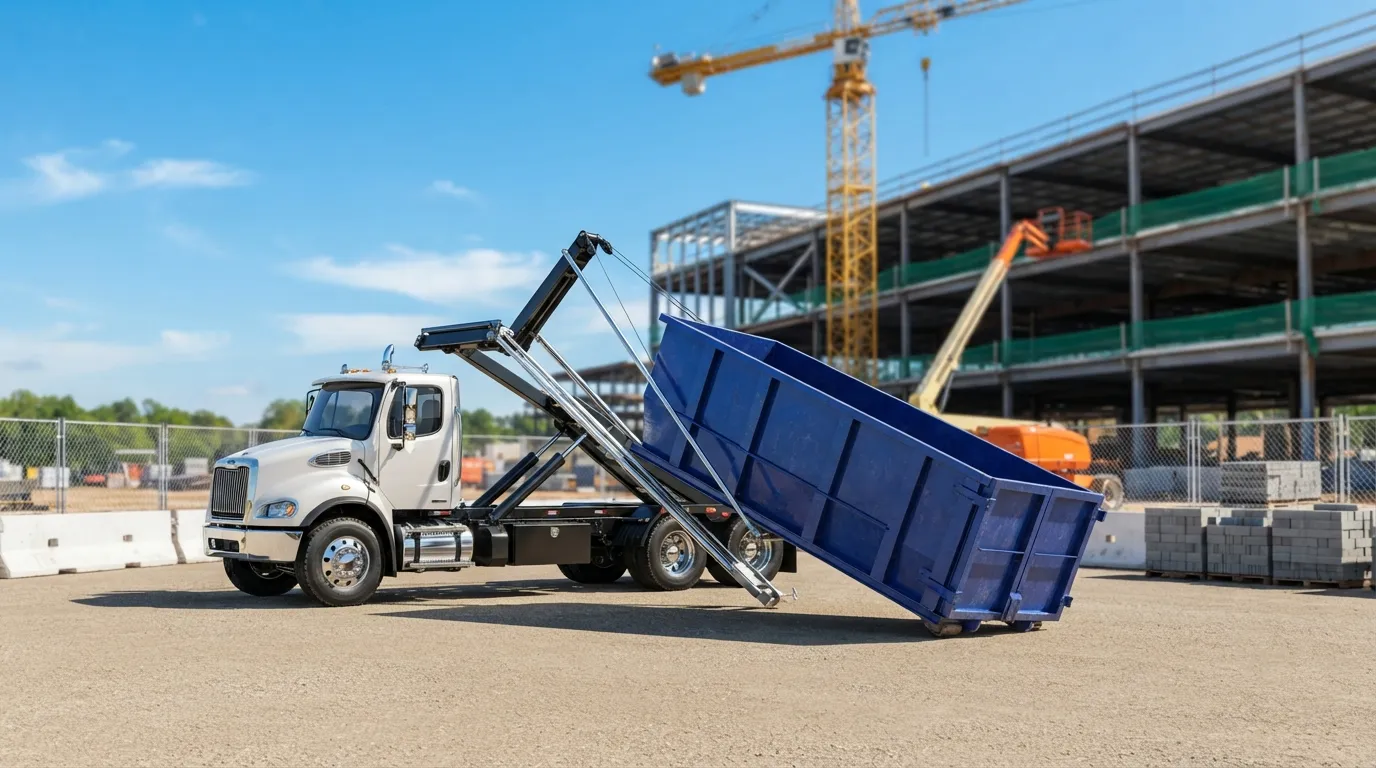
A day rental for a standard roll-off runs $51 to $112, a full week runs $426 to $778, and monthly rates start near $91 for lighter-use accounts. Weekend rentals, common for one-off cleanouts, land between $390 and $497. Delivery is usually billed separately.
| Duration | Low | Typical | High |
|---|---|---|---|
| Day | $51 | $75 | $112 |
| Weekend | $390 | $440 | $497 |
| Week | $426 | $600 | $778 |
| Month | $91 | $108 | $500 |
Delivery fees run $100 to $500 for a single day turnaround, or $50 to $150 if it is billed on a weekly cycle. For a full cost breakdown across sizes, see dumpster rental cost. If you are comparing against a portable toilet for the same job site, the porta potty rental cost page runs the same kind of duration table.
Paint, tires, batteries, refrigerants, propane tanks and most liquids cannot go in a standard roll-off, no matter the size. Neither can asbestos siding or insulation once it has been identified as such. These materials need separate handling, sometimes through a hazardous waste facility, and putting them in the box anyway can mean the whole load gets rejected at the transfer station. The full rundown is on what cannot go in a dumpster, worth a read before the truck shows up, because a rejected load costs you a second trip and the crew's afternoon. Construction debris like drywall, wood, shingles and concrete in reasonable amounts is fine. Housekeeping matters here too. OSHA 1926.25 requires scrap and debris to be cleared from work areas as a job progresses, and OSHA 1926.252 covers how waste materials get moved and disposed of, including chutes and enclosures on multi-story jobs. A roll-off staged close to the work, not across the lot, keeps both of those easier to satisfy.
Every roll-off has a tonnage allowance built into the rental, and going over it means an overage charge per ton once the load is weighed at the facility. Heavy materials like concrete, roofing shingles, and wet debris after a Portland rainstorm add weight fast without necessarily filling the box visually. A 20 yard container full of shingles can hit its limit long before it looks full. The dumpster weight limits page has the specifics for each size, and it is worth checking before you load anything dense like tile, brick or dirt. If you are unsure whether your project's debris mix will run heavy, ask before delivery. It is cheaper to order the next size up than to pay overage on a box that is too small for the tonnage.
Placement in the public right of way, meaning the street or sidewalk in front of a property, needs confirming with the city before delivery. If the dumpster sits entirely on a driveway or private lot, this usually is not an issue, but curb and street placement is a different question. The dumpster permit requirements page walks through what to check and who to ask. This matters more in denser parts of Portland where driveways are short and the box has to sit at the curb. If your property does not have room, ask about placement options when you book. The same right-of-way question comes up with temporary fence rental and storage container rental when either sits close to a public sidewalk.
A roll-off delivery needs about 60 feet of straight clearance behind the truck to set the container down safely. That means checking your driveway length, overhead branches, and whether a parked car or trailer blocks the path before the truck arrives. Tight urban lots in inner Portland neighborhoods sometimes cannot offer that much straight runway, which is part of why curb placement questions come up so often here. If you are also renting a storage container rental or a mobile office trailer rental for the same job site, plan clearance for both deliveries, since they often arrive on the same kind of flatbed or roll-off chassis. Measure twice. A truck that cannot set the box where you wanted it will set it where it can, and that is not always convenient.
A national waste management company and a local roll-off rental operator both deliver the same kind of box, but response time and flexibility differ. A local operator can often turn around a same-day or next-day delivery for a Portland address without the scheduling lag that comes with a large regional account. For homeowners doing a one-time cleanout, or contractors adding a dumpster to a job already scheduled with portable restroom rental or temporary power pole service, working with one point of contact for multiple site needs tends to be simpler than juggling separate vendors. Pricing bands are similar across providers for the same size and duration, so the practical differences come down to lead time, delivery flexibility and whether the provider already knows your site.
Yes, a roll-off is the standard choice for home renovation debris, from bathroom gut jobs to full additions. Pair it with a home renovation porta potty if the crew will be on site for more than a day, since running back into the house repeatedly slows a job down. Most renovation projects in Portland run a 20 or 30 yard box depending on scope; a kitchen or single bathroom usually fits the smaller size, while a whole-floor renovation or an addition with framing debris pushes toward the larger one. If the renovation involves painting, staining or applying coatings, OSHA 1926.51(f)(1) requires washing facilities for employees applying those materials, which is a separate requirement from general toilet access and worth planning for if you have a paid crew on site. A handwashing station rental covers that need directly. For jobs running several weeks, the monthly porta potty rental page and the dumpster's monthly rate both work out cheaper than repeated weekly renewals.
Portland Porta Pros delivers roll-offs across the city and into nearby communities, including Milwaukie, 8.3 miles south, and Lake Oswego, 12.5 miles south. Jobs further out toward Hillsboro, 17.8 miles west, or across the river in Vancouver, 13.3 miles north, are also within normal delivery range. Full coverage is listed on the service areas page. For sites that need a dumpster alongside portable restrooms, a request a quote covering both saves a back-and-forth, and general questions about either service are answered on the FAQ page. If your project needs sanitation on the same site, start from Porta Potty Rental in Portland, OR to see what pairs well with a roll-off order.
Most rentals run by the day, weekend, week or month, with pricing structured for each. A week is common for renovation debris, while a single-day rental fits a quick cleanout. Monthly rates apply if the job runs longer, and they work out cheaper per day than renewing weekly.
A 20 yard box handles most garage cleanouts, fitting roughly four to six pickup truck loads of mixed debris. If the garage is packed floor to ceiling or includes heavy items like old appliances, sizing up to a 30 yard dumpster rental avoids a second delivery.
Placement in the public right of way needs confirming with the city before delivery. If your driveway or lot cannot fit the box, ask about street placement options when you book so the delivery does not get delayed on arrival.
Both fall in the same daily, weekly and monthly price bands since pricing is driven more by duration than by size in most cases. The real difference is capacity: a 10 yard box fits a single room's debris, while a 20 yard covers a full remodel.
Most roll-off rentals are booked for a set duration, day, weekend, week or month, and picked up at the end of that window rather than on a recurring schedule. If your project runs longer than planned, call ahead to extend before the pickup date.
An overfilled box, meaning debris piled above the rim, usually cannot be transported safely and the driver may refuse pickup until it is leveled off. Keep debris below the fill line marked on the container walls to avoid a delayed pickup.
Not in the container itself. A construction dumpster rental is the same roll-off box, just sized and scheduled around job site debris volume, which tends to run heavier and more continuous than a single household cleanout.
It can, but it will leave marks or ruts under the weight, especially on soft ground after Portland rain. Plywood or boards under the delivery point help protect the surface if the dumpster cannot go on a paved driveway.
Yes. Portland Porta Pros delivers roll-off dumpster rental across Portland and the surrounding metro, with same-day and next-day drop-off available on most orders.
Pricing depends on the unit and how long you need it. See our cost breakdown and request a free quote for an exact figure.
Standard rentals include scheduled service — a pump-out, a clean, a restock and fresh deodorizer. Busy or hot-weather sites can be serviced more often.
Call now or request a free quote — clean units, on-time delivery, transparent pricing.